What did Khamenei represent beyond Iran?
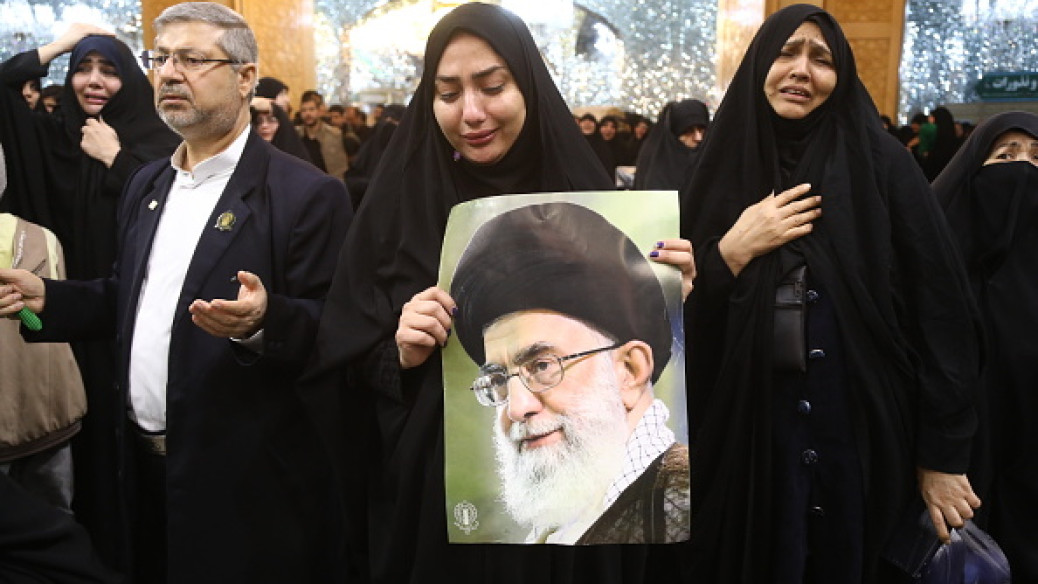
The killing of Iran’s Supreme Leader Ayatollah Ali Khamenei has triggered an immediate and emotionally charged response from Shia outside Iran, from senior clerics and militant leaders across the Muslim world, to protesters on the streets of South Asian and Middle Eastern cities.
While Tehran has entered a formal transition period, reactions beyond its borders reflect the extent to which Khamenei was seen not only as Iran’s leader, but as a central political and symbolic figure for parts of the wider Shia world.
Khamenei’s influence extended well beyond Iran’s state structure. As Supreme Leader under the doctrine of Velayat-e Faqih (Guardianship of the Jurists), he combined religious authority with ultimate political control over the Islamic Republic.
While not universally regarded as the most senior marja' figures in Shia Islam, he was the most powerful Shia cleric in the world by virtue of his constitutional authority.
Politically, he presided over and shaped what has come to be known as the 'Axis of Resistance' - a loose but coordinated network of Iran-aligned movements and armed groups, including Lebanon’s Hezbollah, Iraqi Shia militias, the now overthrown Assad regime, and Yemen’s Houthi movement.
Through military backing, funding, and ideological messaging, Tehran positioned itself as a central patron of Shia political movements and anti-Western resistance currents across the region.
For supporters of that axis, Khamenei was more than a national leader; he was a symbol of resistance against the US and Israel. His death, therefore, resonated in particular with communities where political loyalty to Tehran is intertwined with religious and ideological alignment.
How have Shia leaders responded?
Lebanon’s Hezbollah reacted swiftly.
In a statement, Hezbollah chief Naim Qassem said: "We will undertake our duty of confronting the aggression" of the US and Israel, adding that the group would not leave "the field of honour and resistance".
In Iraq, Grand Ayatollah Ali Sistani, the country’s most senior Shia cleric, issued a statement mourning Khamenei and acknowledging his "unique role in leading the Islamic Republic of Iran for many years is evident to all". Sistani urged the "great Iranian people" to "maintain their unity, to stand firm and thwart the aggressors’ sinister goals".
Several Iran-backed Iraqi armed groups adopted a more confrontational tone. Some declared they would not remain "neutral" and would defend the Islamic Republic. The powerful militia Kataeb Hezbollah said it would attack US bases after two of its fighters were killed in air strikes in southern Iraq.
The pro-Iran Shia Iraqi groups also said they had launched dozens of drones against "the enemy bases in Iraq and the region," in retaliation for Khamenei's assassination.
In contrast, Yemen’s Houthi movement, widely seen as part of the Iran-aligned axis, had not issued a formal public statement specifically addressing Khamenei’s death at the time of writing. Most of the Houthis are Zaydi Muslims, distinct from the Twelver branch of Shia Islam.
Within Iran, the globally influential Shia marja' Ayatollah Nasser Makarem Shirazi issued a fatwa calling for jihad against the US and Israel, according to Iran's state-run Tasnim News Agency.